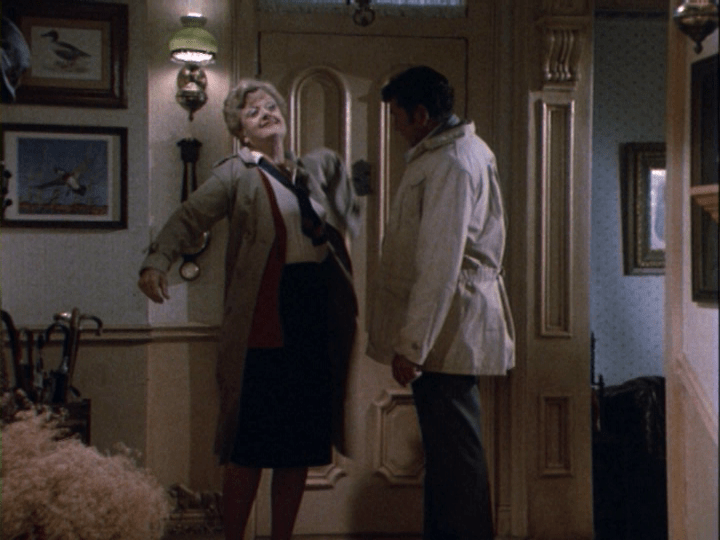
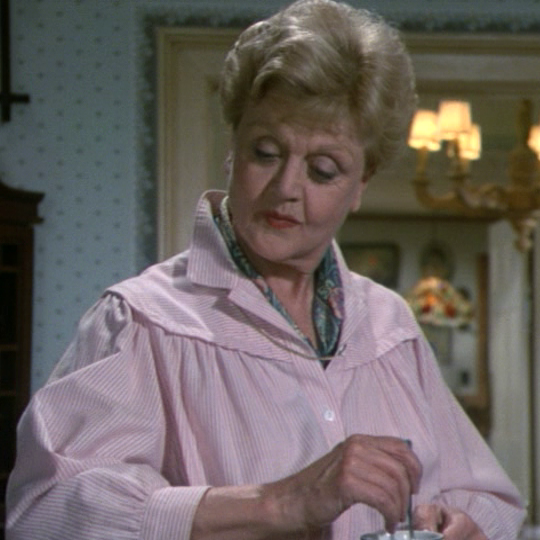
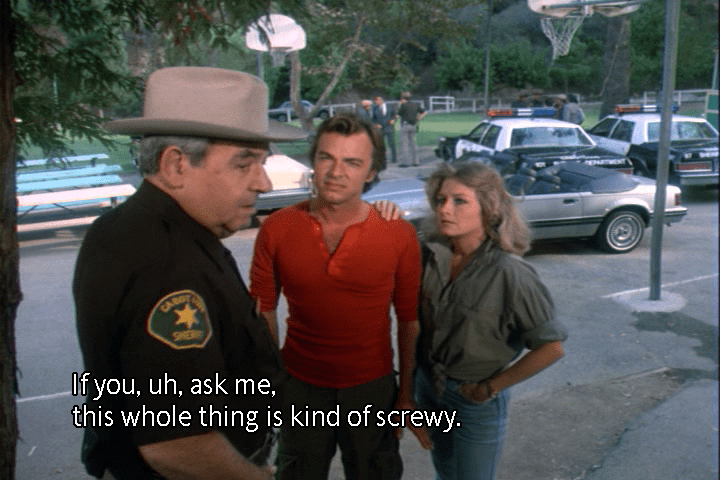
We’re Off the Kill the Wizard

Welcome to Horatio’s House of Horrors!

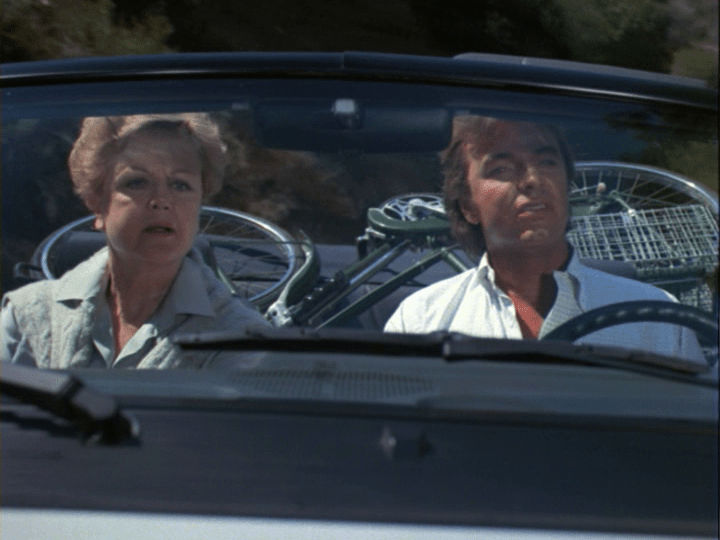
This episode is a delightfully campy, deftly executed locked room mystery. If you want to make it dinner and a show, you can eat along with Jessica and the Donovans with this family-friendly menu. Guests who wish to avoid spoilers should watch the entirety of “We’re Off to Kill the Wizard” before proceeding. Thank you, and enjoy the ride!

This episode guide has four parts:

  • This is the first part, an introduction which includes the setting, characters, and context of the episode.
  • The second part is a detailed timeline of the episode’s events. (Coming Soon!)
  • The third part is an analysis of the episode’s mystery. (Watch this space!)
  • The fourth part is a collection of fun extras called Bonus Features. (ETA? TBD!)

Where in the World is Horatio’s House of Horrors?

The casual viewer could be forgiven if they came away thinking this episode takes place in Kansas City. (I’m looking at you, imdb.) Kansas City, the City of Fountains, is mentioned numerous times throughout the episode, but that’s because it’s Jessica’s next destination.

Aunt Jess is currently visiting one of her nieces, Carol, who lives somewhere that’s only a short flight away from Kansas City… you may have heard of it – Chicago! Check it out in the MSWSW Atlas.
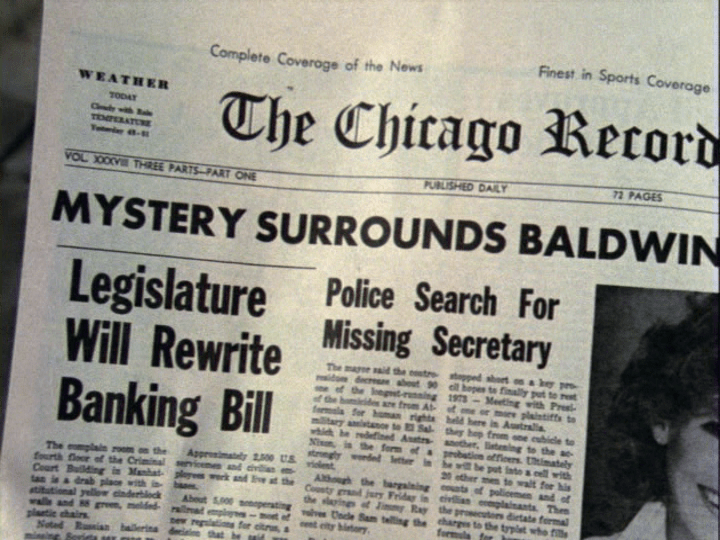
This episode is low, low key set somewhere in Chicagoland. There are no glamorous on-location scenes with sightlines to Chicago landmarks. The name “Chicago” is never even spoken. The only direct reference to the Windy City is this fake newspaper.

When Are We?

The Original Airdate

In the absence of evidence to the contrary, the first guiding principal I use in my work on the MSWSW canon timeline is to place an episode’s events before, but as close as possible to, the initial airdate. This episode first aired on Sunday, December 9, 1984.

The Oeuvre of J.B. Fletcher
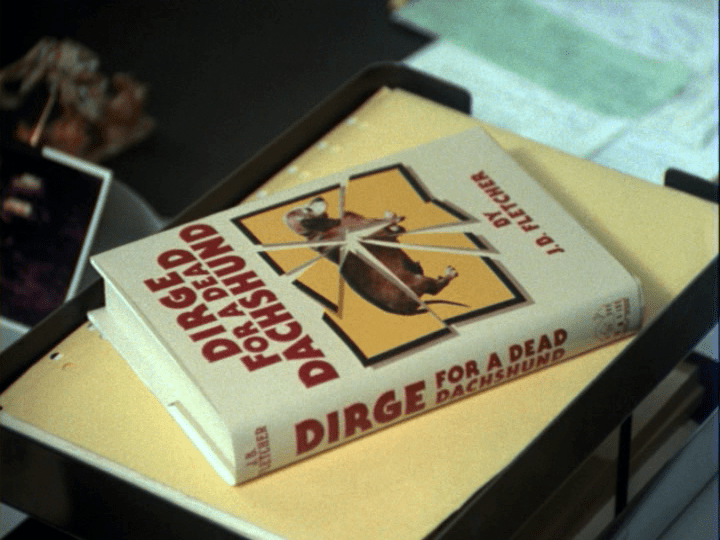
Dirge for a Dead Dachshund has been published! This means that Jessica’s visit to this episode’s House of Horrors takes place after S1 E2: “Deadly Lady”, when Dirge was still in pre-publication. The earliest “Deadly Lady” could have taken place is June 1984.

This gives us an initial, broad timeframe for “We’re Off to Kill the Wizard” of June – December 1984.

The seasons of the year
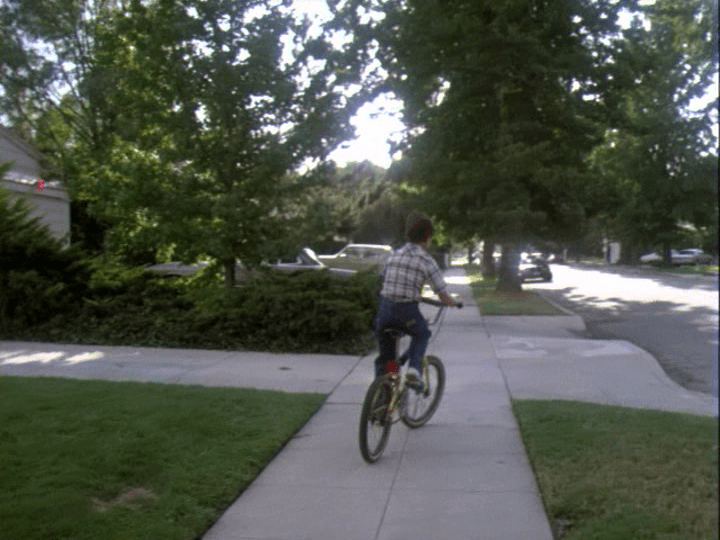
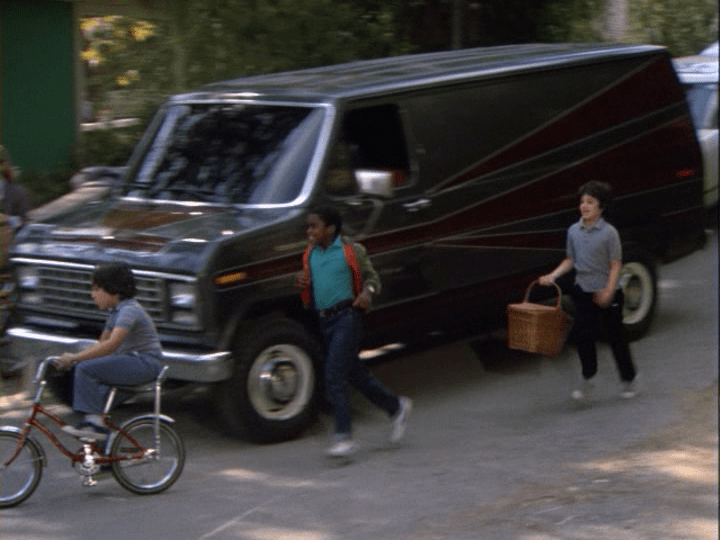
Little Billy rides his bicycle down a leafy street. The canopy is a full, lush green, with no hint of fall colors. Chicago’s fall foliage season is typically underway by early October.

All those green leaves allow us to narrow the timeframe further, to June – September 1984.

The Days of the Week
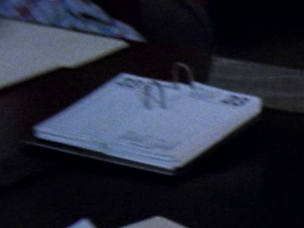
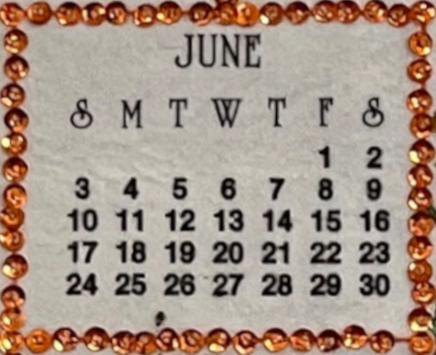
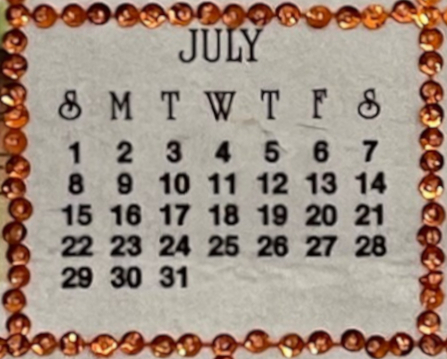
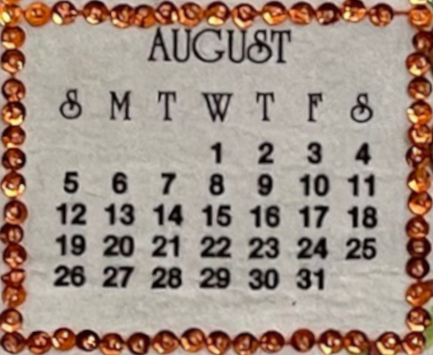
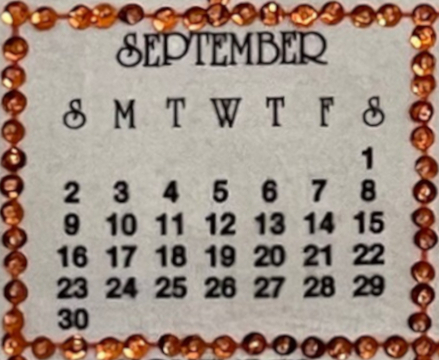
I’ll go through the episode’s timeline in more detail in Part 2, but for now, it will suffice that the episode begins on a Saturday. Two days later, on Monday, Lieutenant Donovan’s desk calendar tells us it’s the 23rd.

Let’s take a look at the 1984 calendar:
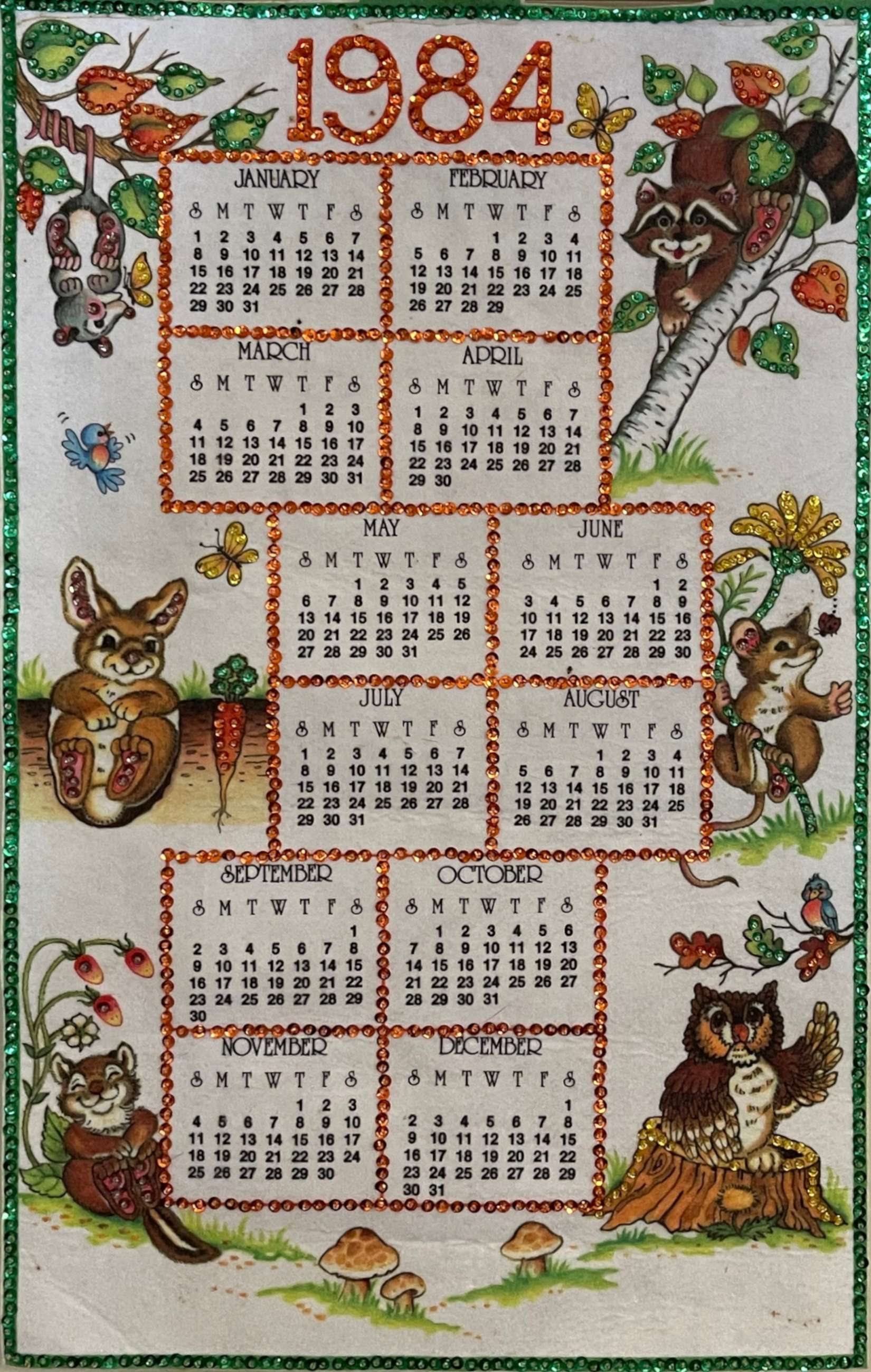
From June through September, there is one Monday the 23rd, and it’s in July. Could an argument be made that in the midst of an active murder investigation, Lt. Donovan didn’t find the time to flippy-flip his day calendar? Sure.
However, unless and until we come across evidence to the contrary, the MSWSW timeframe for “We’re Off to Kill the Wizard” is Saturday, July 21 – Thursday, July 26, 1984.

The Players

In order of appearance:

Michael Gardner
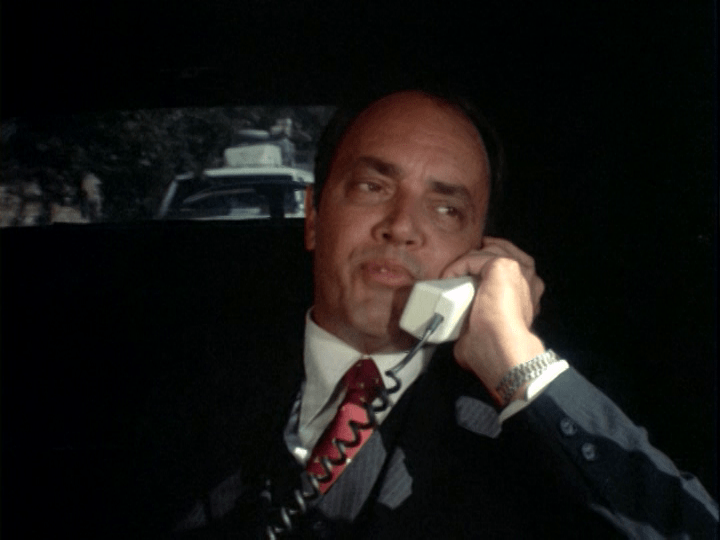
In the eighties, a three piece suit and a car phone meant you were a big shot, like Mickey here.

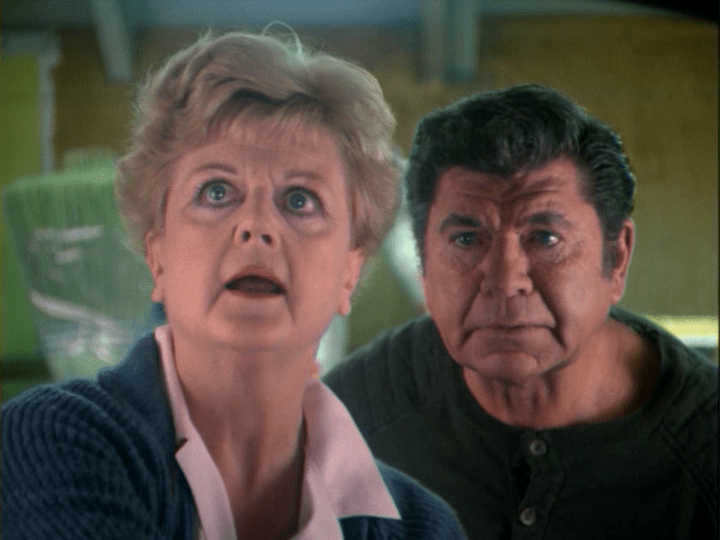
J.B. Fletcher

We see two sides of Jessica this episode. Aunt Jess is in town for personal reasons, spending quality time with her niece’s family. A model guest, she can fix bicycles and burgers for dinner! However, it’s J.B. Fletcher, the sought-after novelist, who finds herself mixed up in yet another colorful murder.

Billy & Cindy Donovan

These two adorable young people share a family resemblance and lend a before-they-were-famous vibe to this episode.

Carol Donovan

Jessica’s niece of the week, Carol leads a picture perfect life in leafy suburb. Another leafy place you can find Carol is the MSWSW Fletcher Family Tree.
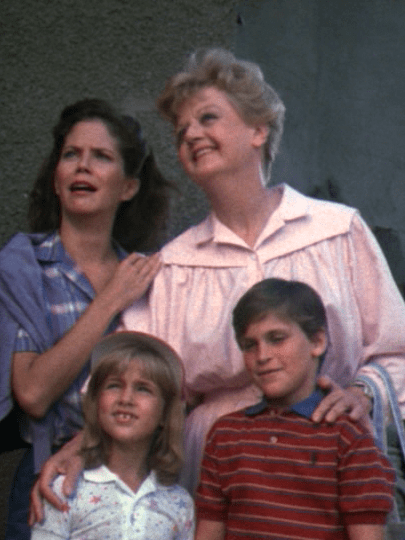
Jessica with her niece Carol and grand-niblings Cindy and Billy

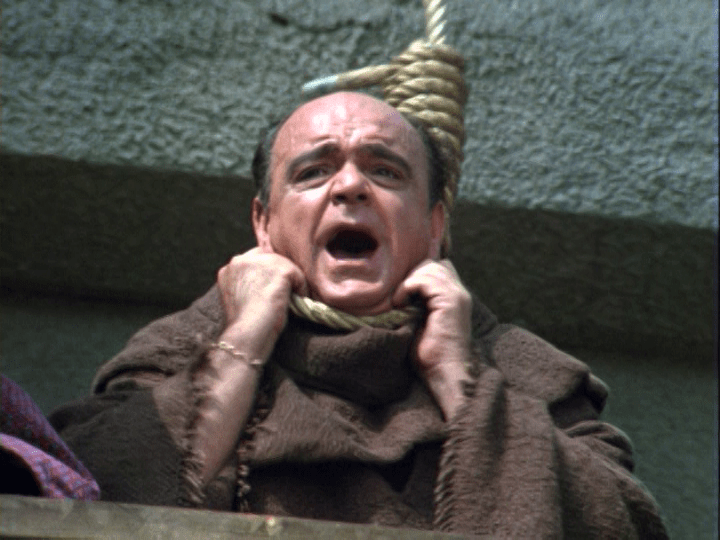
Horatio Baldwin

A man, a plan, a House of Horrors.

Nils Helander

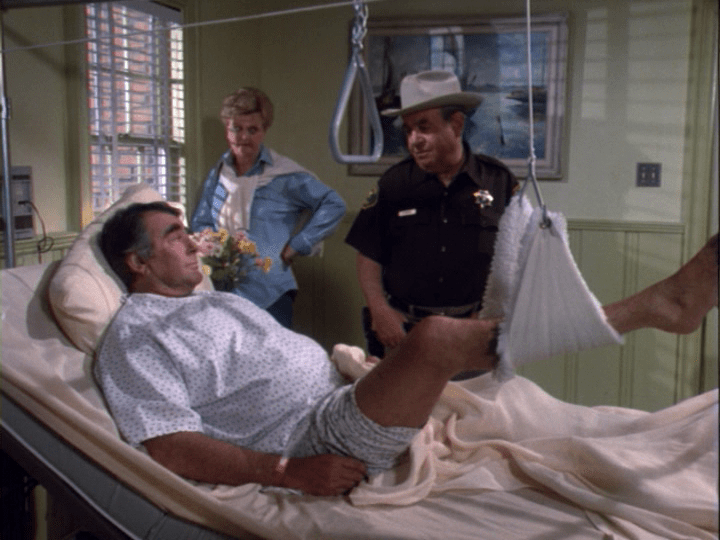
Is Nils merely “temperamental” and “bullheaded,” or is he justifiably concerned about safety issues at the House of Horrors?
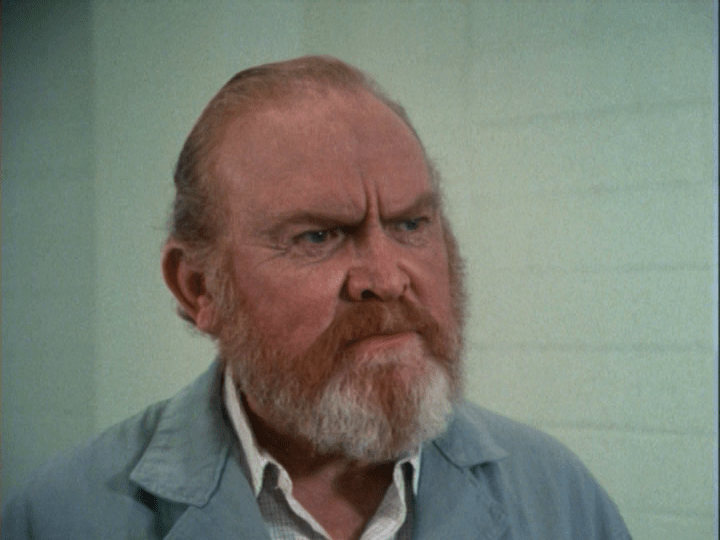
Arnold Megrim
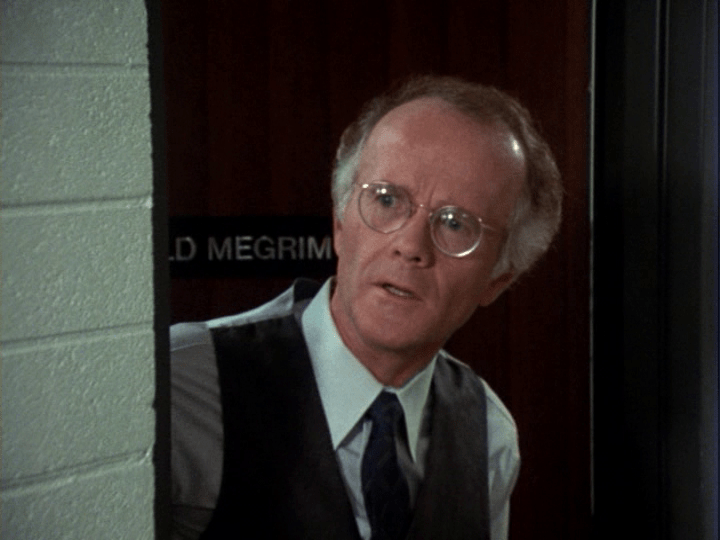
Arnold is very discontent at the House of Horrors. He’s sick of cooking the books, but for some reason, he can’t just quit.

Laurie Bascomb

Laurie is Horatio Baldwin’s secretary and an aspiring writer.
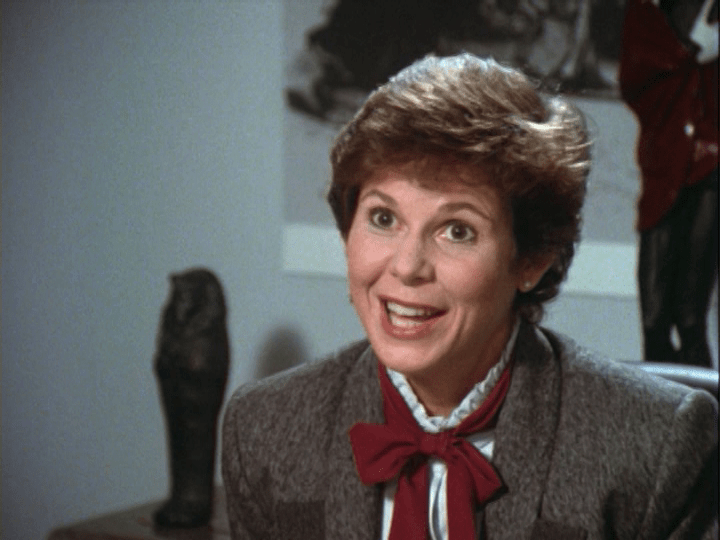
Phil Carlson
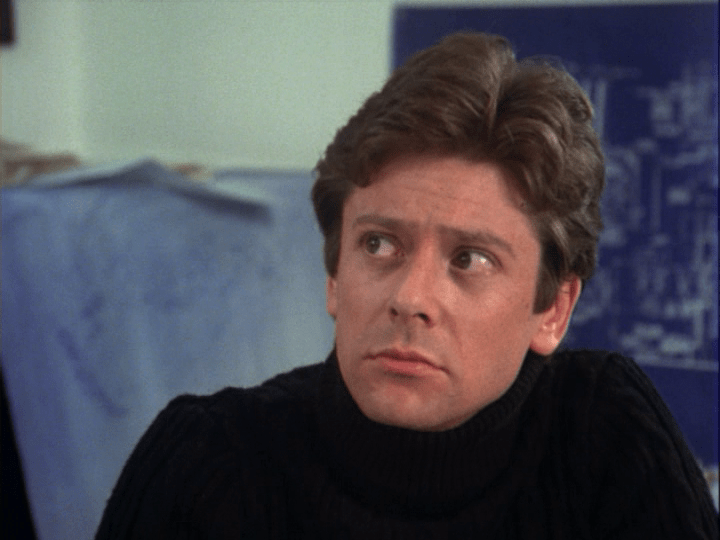
Phil is Horatio’s “right-hand man,” and he wouldn’t quit even if he could, because he’s looking forward to a promised promotion.

Ned O’Brien

O’Brien, House of Horrors Security, is the man that hears the shot and makes the call.
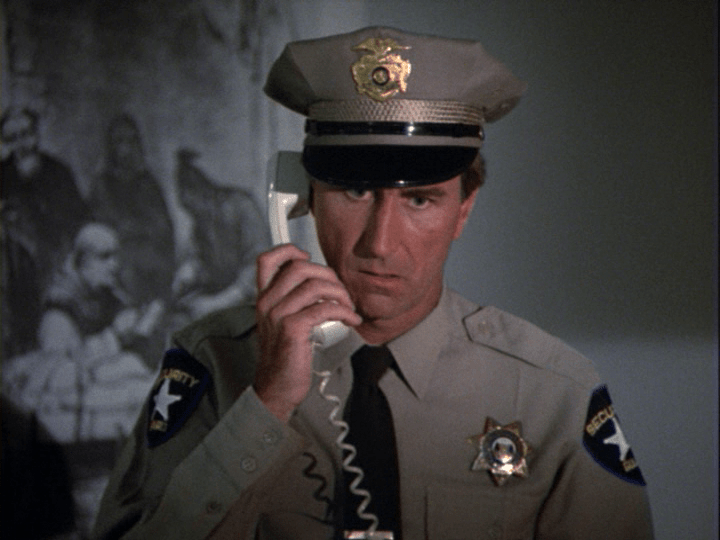
Nemo
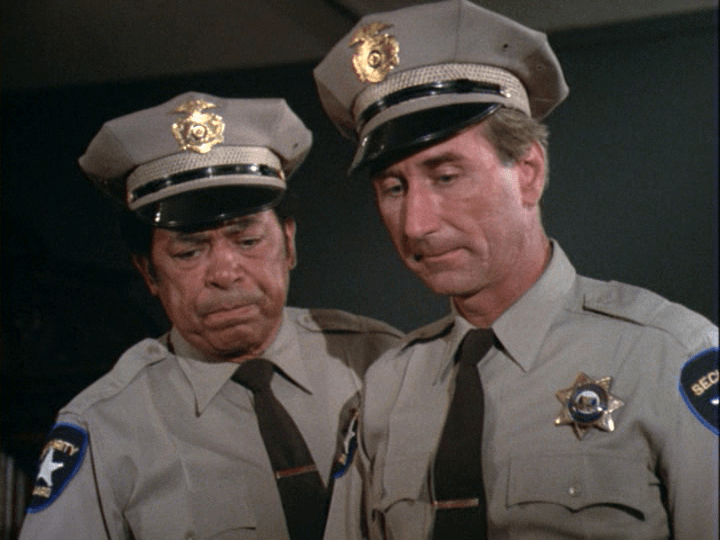
The other security guard at the scene of the crime has several lines, yet remains noticeably, and somewhat inconveniently, nameless over the course of the episode.
I’ve decided to call him Nemo.

Lieutenant Detective Bert Donovan

Bert, Jessica’s nephew by marriage, is also a very competent police detective.
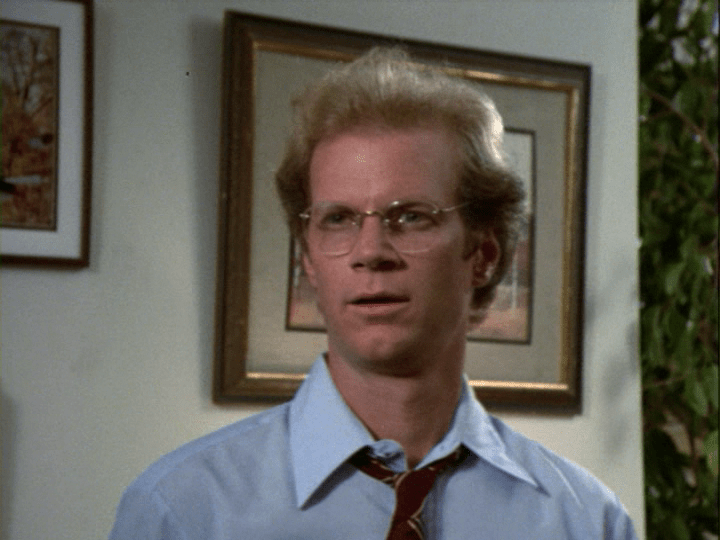
Captain Davis
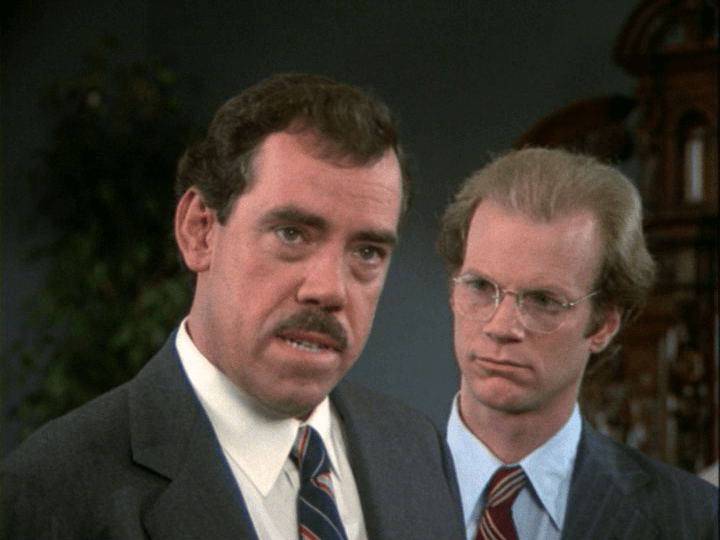
Police Captain Davis is very solicitous of Jessica’s crime solving abilities because she’s such a swell mystery novelist.

Erica Baldwin

Is the glamorous, jet-setting Mrs. Baldwin a femme fatale? Perhaps we’ll never know for sure.
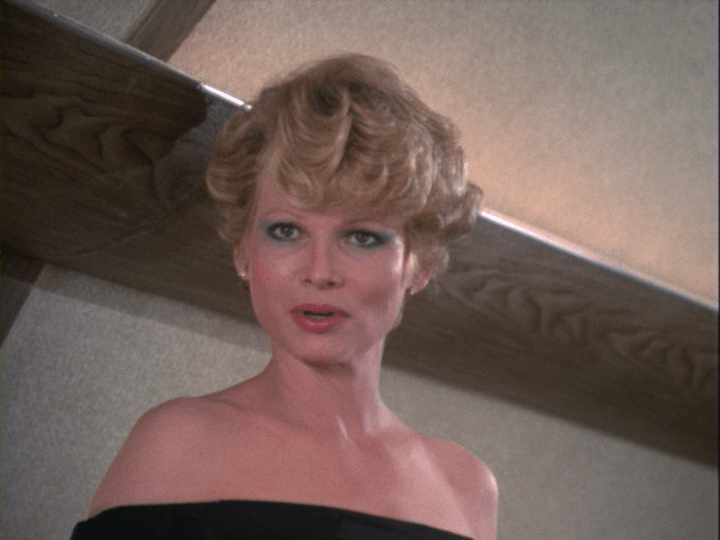
Repeat Offenders

If you’re a MSW fan (and if you’ve read this far, you are) I’m sure you’ve recognized a few actors who appear multiple times throughout the series, but in different roles.  Check out The Rogues’ Gallery for more details. 

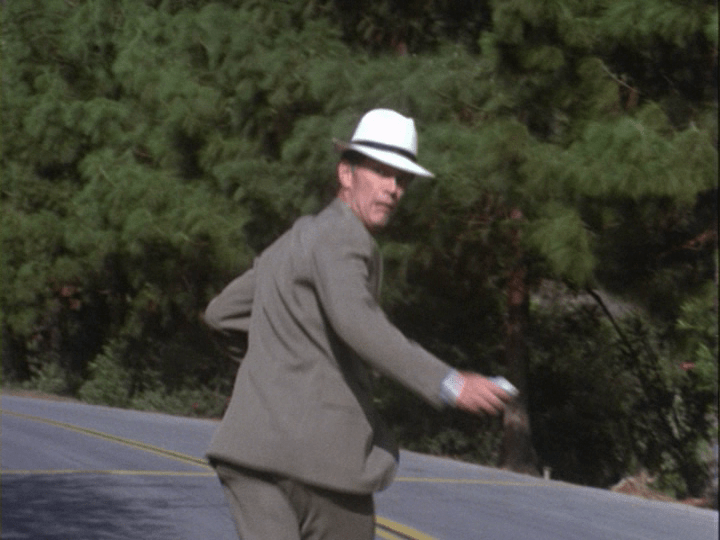
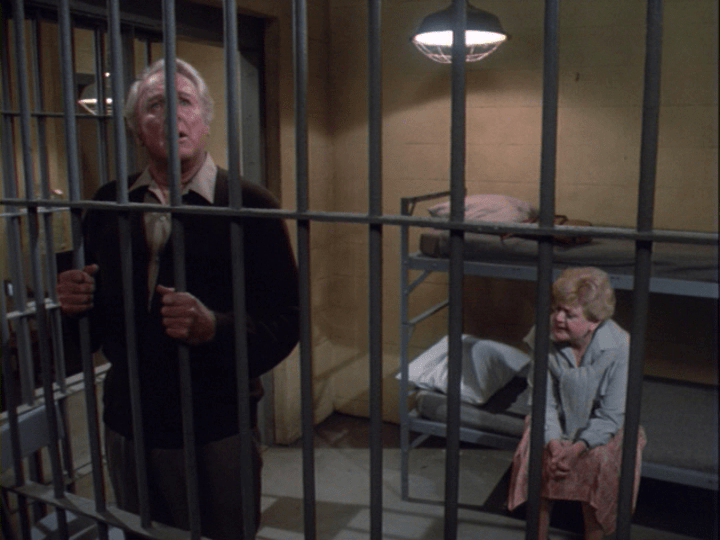
In this episode, nearly all the actors portraying supporting characters (even Nemo!) will return to the MSW universe in future episodes, except James Coco (Horatio Baldwin), Anne Kerry Ford (Carol Donovan), and siblings Joaquin and Summer Phoenix (Billy and Cindy).
Part 2: The Timeline – Coming Soon!

Hit, Run and Homicide: Bonus Features

Hello, and welcome to the fourth and final installment of the episode guide for “Hit, Run and Homicide.”

  • Part 1 includes the setting, characters, and context of the episode.
  • Part 2 is a detailed timeline of the episode’s events.
  • Part 3 is my analysis of the episode.
  • This is Part 4, a collection of fun extras that I like to call Bonus Features.

Bonus Features!

Do Crimes.

Murder!

If you’re interested in Murder, She Wrote by the numbers, I recommend the MSWSW Statistical Analysis.

  • Culprit: Leslie Andler (and Charles Woodley)
  • Motive: Greed
  • Weapon: Blunt Object
  • Done Deed: Dean Merrill’s murder happens (just barely) offscreen.
  • Crime Scene: A body by the side of the road, this time it’s sadly realistic.
  • Discovery: At 13 minutes, or 27% through the episode

Weapons: A Digression

The MSWSW Statistical Analysis categorizes murder weapons thusly:

  • Blunt Object (Bricks, stones, urns…)
  • Explosive (Things that go bang, except guns)
  • Gun (Guns, all varieties)
  • Garrote (Lengths of wire, strings of pearls, telephone cords…)
  • Pointy Object (Hat pins, knives, skewers…)
  • Poison (Allergens, overdoses, toxic substances…)
  • Rube Goldberg Contrivance (Absurdly complex contraptions and scenarios)
  • Sabotaged Conveyance (Automobiles with the break lines cut, doped horses…)

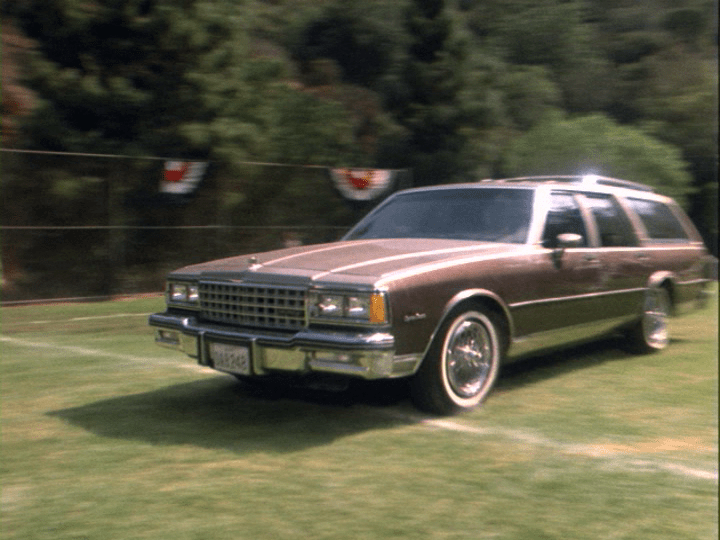
A remote controlled auto was used to hit and kill pedestrian Dean Merrill. In this case, the car was used as a blunt object. If poor Jessica had been driven off the cliff while she was inside the car, it would have then been used as a sabotaged conveyance.

Other Crimes!

  • I’m not even sure what the charges would be for intentionally sending a remote controlled car through a public park, or along a public road, but I’m going to go with multiple counts of reckless endangerment for Leslie Andler. Plus kidnapping, for taking Jessica on that wild ride.
  • In that vein, in addition to murder, Charles and Leslie probably committed all kinds of lesser offenses, like lying to a police officer, conspiracy, trespass, and probably wire fraud for that phone call from Daniel’s landline.
  • Speaking of wire fraud, there’s probably a case to be made against Jessica and Letitia, for snooping through Daniel’s phone records.
  • Remarkably, Jessica did not trespass for an entire episode; she had Sheriff Tupper’s permission to go snooping around the old Gentry farm.

Psycho Killer

There is a theory that Jessica Fletcher is the most successful serial killer of all time. If she’s actually Dean Merrill’s murderer, she ran him down with a car, plain and simple. The remote controlled station wagon was just a red herring. Too bad Dean couldn’t run, run, run, run, run, run, run away.

Tropes, Devices, and Other Conventions

Mystery Tropes

Frame-up

This episode, an innocent person is framed for crimes they didn’t commit. This is a series first, but it won’t be the last time MSW uses this trope.

Suspicious Phone Call

While we don’t overhear any part of the phone call placed from Daniel’s home phone to Charles Woodley’s office, it’s certainly a suspicious phone call, or, at least, the shadow of one. In the final scene, Katie concludes that Leslie placed the call. We never find out for sure if the call was placed to incriminate Daniel, or just to communicate with Woodley about their dark deeds.

Plot Devices

flashback

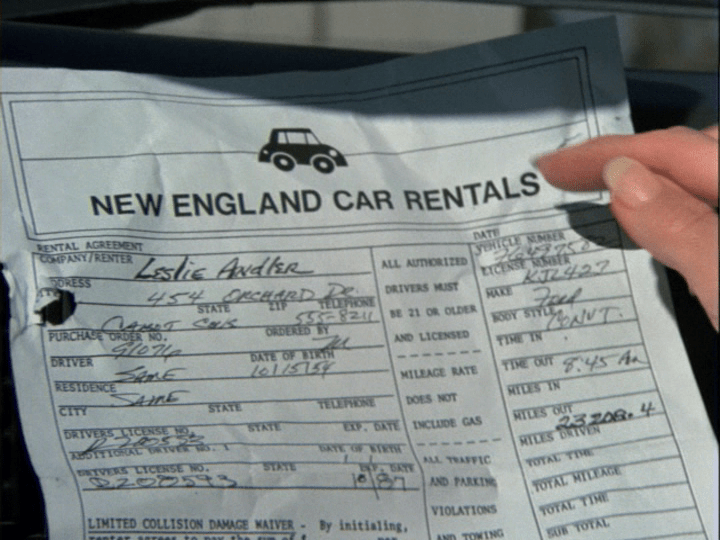
Here at MSWSW, we aim for a thoroughness, even if it draws a tear. Technically, during Jessica’s confrontation with Leslie, there is a brief flashback to the car rental agreement, which we previously saw at the gas station. It’s honestly just salt in the wound, because it’s a second missed opportunity to show us that GD odometer, already.

There’s a second flashback during Jessica’s summation in the final scene. It shows Woodley outrunning the station wagon the day of the picnic, to emphasize how slowly the car must have been going. It’s pretty straightforward, expository stuff.

MSW Tropes

Door of Truth

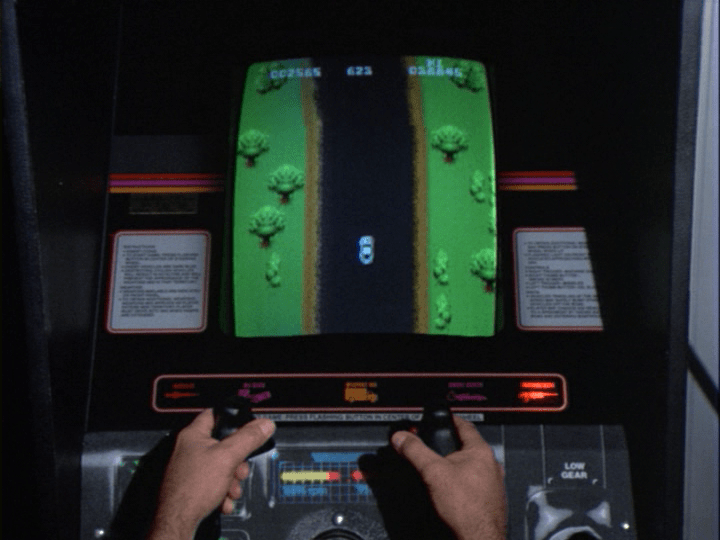
As often happens on MSW, a seemingly random experience helps Jessica put it all together. This time, Jessica gains an adorable, albeit ambiguous, moment of insight while playing an arcade game with Ethan.

Infinite Jest

One of the things that makes MSW so cozy is that, sometimes, something completely absurd happens as a plot vehicle. This time, it’s the entire premise, and it’s literally a vehicle.

Bait of Falsehood

Often, our lady practices to deceive in the service of justice. This time, she doesn’t outright lie or present false evidence. She does, however, trick Leslie into thinking the station wagon controls are still in the red and gray van during the reenactment.

Smile and Smile

Jessica’s been practicing that arcade game at McIntyre’s??? LOL!

Goofy freezeframe!

Roll credits!

What She Wore

How to Wear a Scarf

Jessica wears a number of scarves this episode, here they are, in order of appearance:

If you’re interested, you can find all of Jessica’s scarves from our journey so far here.

Jessica’s Best Look

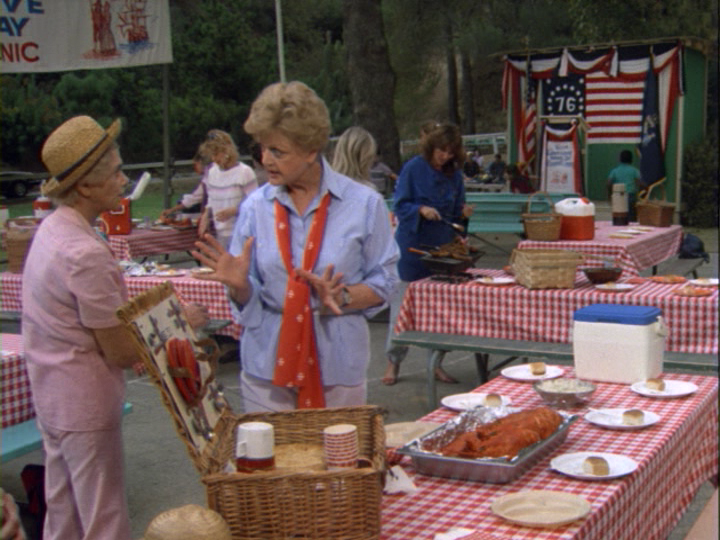
Lois and Jessica discuss Cabot Cove’s historical facts and fictions

My favorite of our lady’s looks this episode is the red, white, and blue she wears to the Founders’ Day picnic. I think a belted shirt is a flattering silhouette for Angela, and this scarf is a lot of fun. Poor Lois gets lost in a sea of red check tablecloths, but Jessica stands out. She’s appropriately festive, without being eye-searing.

Best Look Overall

Best look overall goes to Katie, and her collection of statement necklaces. My favorite is the red and black one pictured here. I love it so much I feel a bit covetous.

Jessica’s Least Best Look

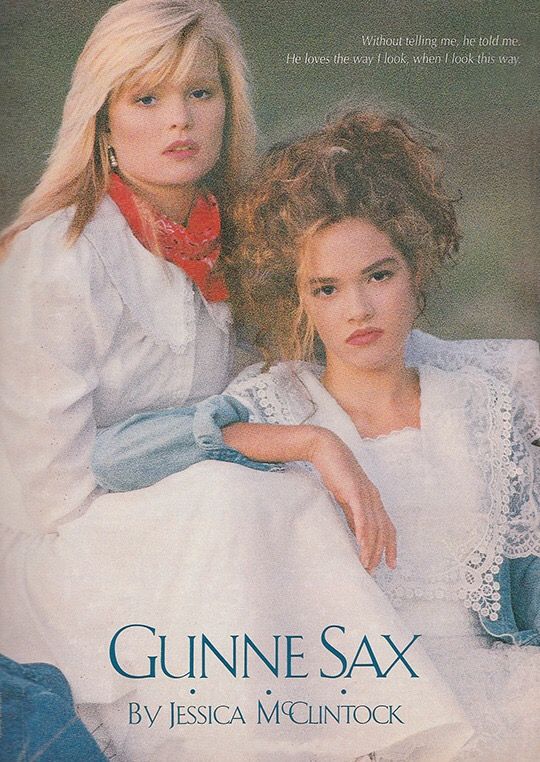
Before the nap dress, there were Laura Ashley, Jessica McClintock, and Gunne Sax. These flowy, uber-feminine dresses were supposed to be comfortable and pretty, but tbh, they make me feel uneasy, and possibly a little queasy.

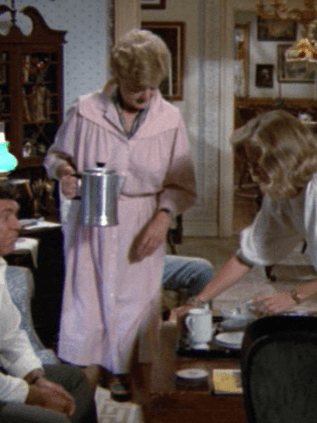
In the first dinner party scene at Jessica’s house, both our hostess and her guest, Leslie, wear dresses inspired by the Gunne Sax/Laura Ashley trend of that time. These characters are both independent, professional women with active lifestyles, and in every other scene of this episode, their respective sartorial choices reflect that.

…Which is why I think these particular dresses stood out to me. While they are certainly very much on-trend for the time, they do not suit the characters wearing them.
No other notes for Leslie though, she looks great in her white dress. (Patti D’Arbanville would probably look fantastic in anything.)
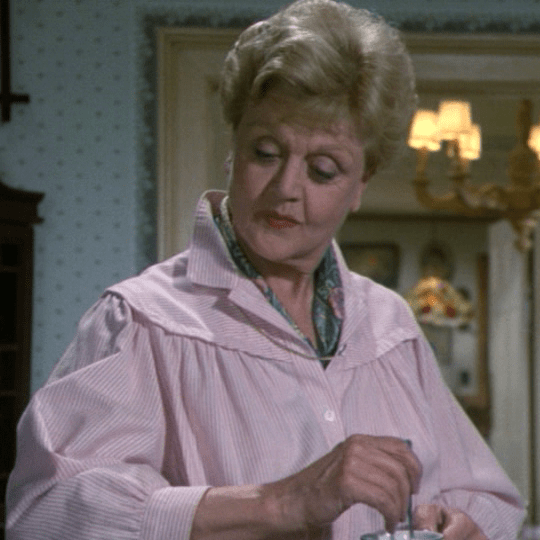
Unfortunately, the pale pink, billowy dress that they put on Angela is not flattering. The scarf feels out of place, and initially, I felt like perhaps it was added because Angela also felt this dress wasn’t the right thing.

And then, I found this:

There it is, legal precedent for the neckerchief and nightgown look. Case dismissed?

But why then do I still feel so ill at ease about these really comfy dresses?

Wait.
What’s that in the upper righthand corner?
What message is Jessica McClintock sending us?

Without telling me, he told me.
He loves the way I look when I look this way.

Gunne Sax by Jessica McClintock

Ugh. No. Nope. No thank you to this post-feminism backlash BS. Wear what you want, but please dress for yourself, and not for an unarticulated male gaze.

Full disclosure, I never had a Gunne Sax dress; not by choice, exactly.
I was still in my Polly Flinders era.

Least Best Look

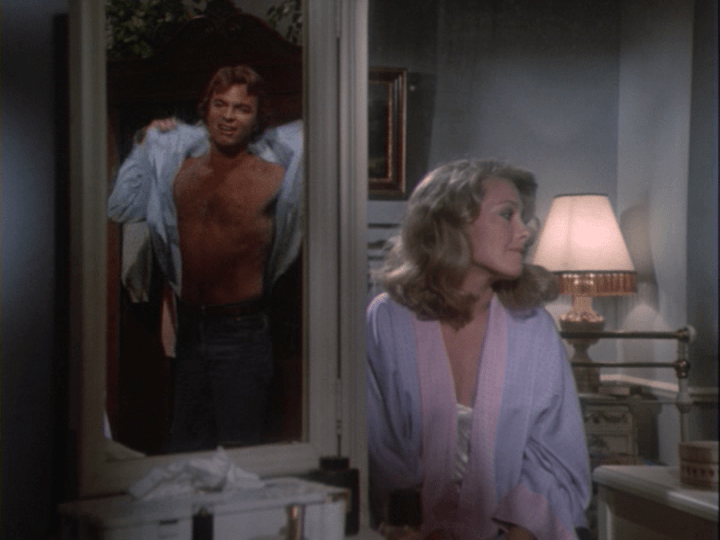
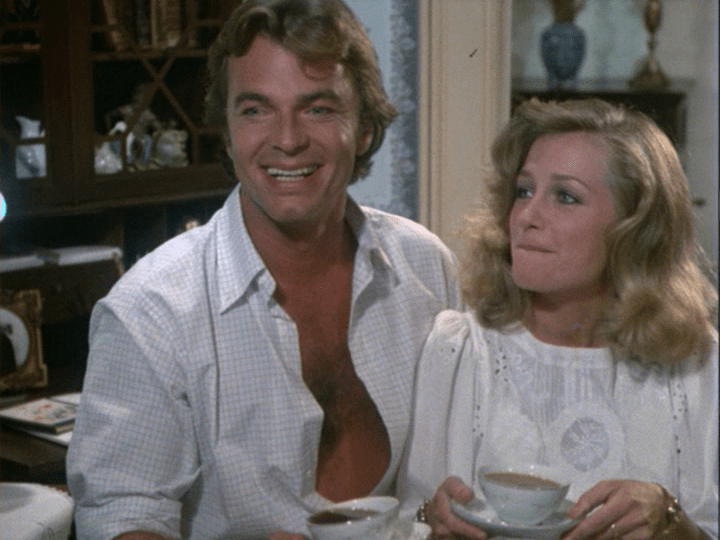
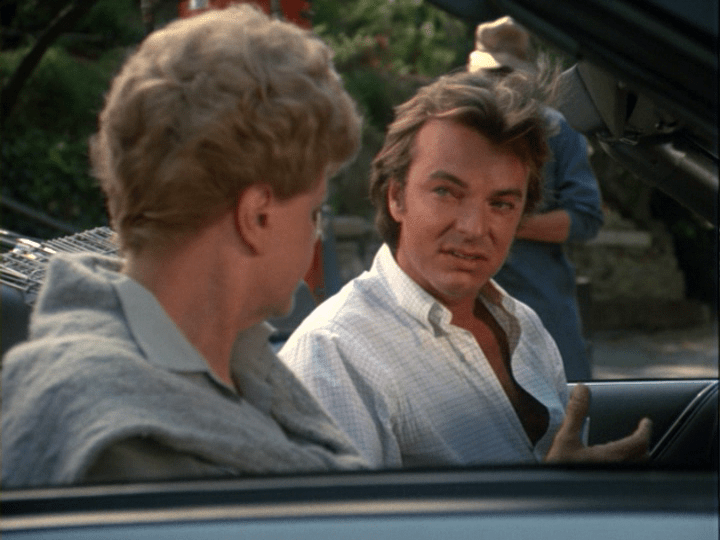
Least best look goes to Tony, and his troubling pattern of conspicuous deshabille.
Within the context of an episode of Murder, She Wrote, Tony’s inability to keep his shirt buttoned isn’t sexy, just louche and a little bit desperate.

Interior Motives

This episode’s award for most distinctive interior goes to Daniel’s made for TV workshop.

The Rest of the Story

The writers put a great big bow of a happy ending on this one for us. I haven’t really discussed it, mainly because I don’t care. I don’t feel invested in Daniel and Katie. They are too thoroughly nice and guileless to be interesting. However, their happily ever after happens in Jessica’s dining room, and I’ve included shots from that scene in my overview of our lady’s iconic home.

Tony turns out to be an easy come, easy go kind of guy. After the initial shock of Leslie’s duplicity wears off, he quickly bounces back.

Neither Jessica nor Ethan wins the Spy Hunter tournament at McIntyre’s. Lois Hoey unexpectedly routs the entire field.

Extra Credit

In a small town, locals severally glimpse a mysteriously conveyed vehicle. Its ultimate purpose is to circumvent the complexities of an estate plan.
Polly Flinders makes a cameo.

For a good read that bears a passing resemblance to this episode, I recommend Dorothy Sayers’ short story The Undignified Melodrama of the Bone of Contention.

Hit, Run and Homicide: Analysis

Hello, and welcome to MSWSW’s analysis of “Hit, Run and Homicide.”

There are four parts to this episode guide:

  • Part 1 includes the setting, characters, and context of the episode.
  • Part 2 is a detailed timeline of the episode’s events.
  • This is Part 3, my analysis of the episode.
  • Part 4 is a collection of fun extras that I like to call Bonus Features.

Show Your Work

Pencils ready!

How does this episode’s mystery stack up? Is it plausible? Does it make sense? Can the audience solve the mystery by the time Jessica does?

Fair Play Pause Point

Jessica has her epiphany while playing the arcade driving game Spy Hunter. By this point in the episode, which I call the fair play pause point, can the audience solve the mystery?

The Wrong Man?

This episode uses a popular mystery and suspense convention, the frame-up. The central mystery is whether Daniel is being framed for a murder he didn’t commit, rather than the murder itself. So, my analysis will focus on whether we, the audience, can figure out if Daniel is being framed, and if so, by whom.

Clues!

The Remote Controlled car

A driverless car wielded as a weapon is already stretching this plot’s plausibility nearly to its breaking point right out of the gate.

Thankfully, everyone readily accepts that this is a remote controlled vehicle, rather than some sort of supernatural phenomenon, which keeps us from veering off into Scooby Doo or Steven King territory.
Daniel readily acknowledges that he openly worked on similar designs in the past. Katie, his former WAMCO colleague, corroborates this.

Charles’ Unbroken Bones

Charles Woodley manages to out run a car. He escapes serious injury, too. Yet, he’s in so much pain he must remain in the hospital.

Dean’s Chartered Boat

This is my favorite clue this episode. It’s very subtle. It doesn’t make it into Jessica’s summation at the end of the episode, which is a shame.
When Dean Merrill disembarks in Cabot Cove, he says his partner (Charles Woodley) told him to arrive by chartered boat.

Because the walk from the marina to the hospital is shorter than the walk to the nearest cab (at the train station), this forces Dean to walk a specific one mile stretch between the marina and the hospital, setting him up for his deadly encounter with the station wagon.

Daniel’s Phone Records

Jessica and Letitia do some snooping and discover that recent calls made from Daniel’s phone number include one to Charles Woodley’s office in Boston.

As Jessica is quick to point out, this doesn’t prove Daniel placed the call, only that someone used his line to do so. Alas, modern technology has since laid waste to the plausible deniability of landline phone calls. However, back in 1984, this cast suspicion on the four people who had easy access to Daniel’s landline: Katie, Tony, Leslie, and Daniel himself.

The Red and Gray Van

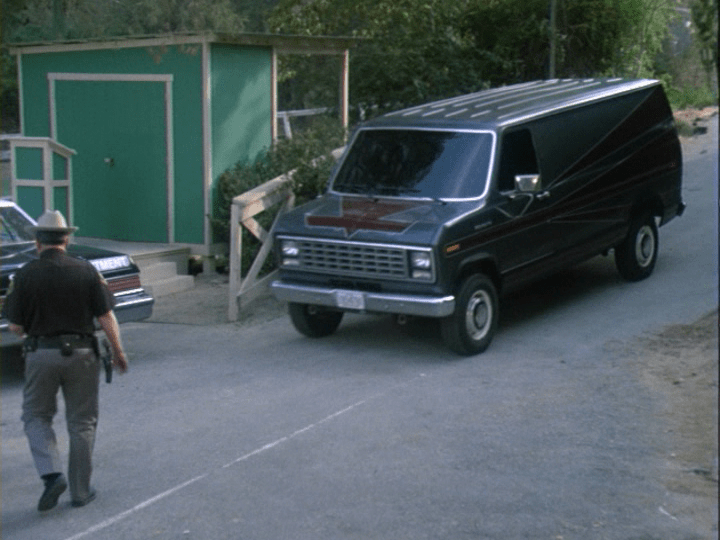
She may have seemed perfectly innocent at the picnic. Or, perhaps she was just very easy to miss. However, after Jessica’s wild ride, the link between the remote controlled station wagon and the red and gray van is undeniable.

I’m a little baffled that neither Jessica nor Ethan seem to make the connection after the car chase. They both understand the station wagon is being controlled remotely. Out at the lighthouse, the van is the only other vehicle present, so the van’s driver, or possibly a passenger, must be responsible for controlling the station wagon. Right?

Daniel’s Files

Files identical to Daniel’s designs for a remote controlled car are found in the station wagon. This is such weak evidence even Amos is dubious, but it’s not Murder, She Wrote unless an innocent person gets arrested before the denouement.

Leslie’s Unsolicited advice

I think I once read somewhere that unsolicited advice is always self-serving. There’s room in my worldview for the occasional altruist, but that’s not the case here. Leslie’s suggestion that Daniel may need psychiatric help is another subtle clue.

WAMCO’s Financials

Katie spills the tea about the WAMCO boys. They’re low on cash, and now that Dean Merrill is gone, Charles Woodley owns 100% of the business.

Daniel’s Estate

Tony is Daniel’s only living relative. He stands to inherit Daniel’s (modest) estate, with the exception of Daniel’s patents, which would to go the University of Maine.

$7.08 and a Rental Agreement

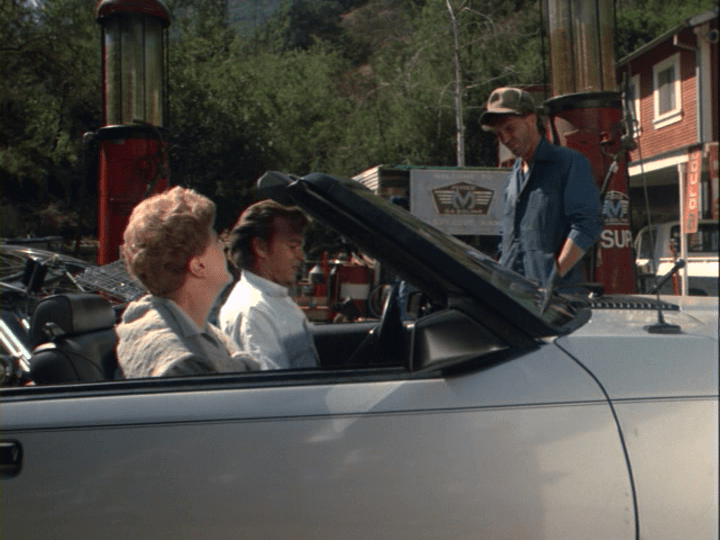
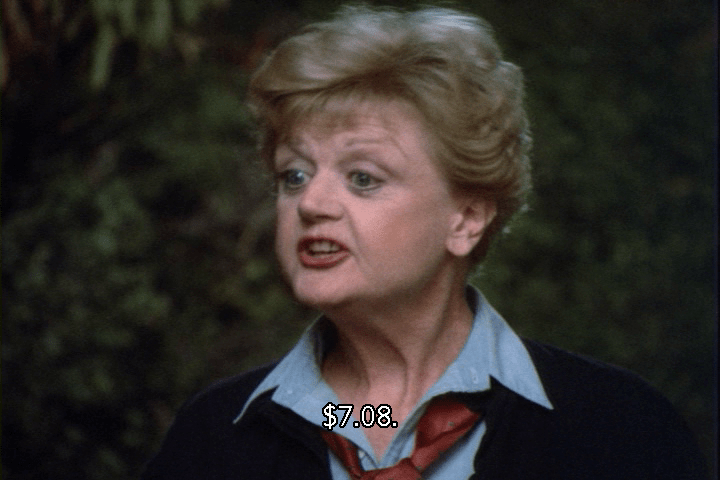
This could have been a terrific final piece to the puzzle, but instead it’s an unforced error that really spoils this episode for me. When Tony stops for gas, the total comes to $7.08.

Dear readers, it’s time for some math. I promise to keep it short and sweet. In 1984, the U.S. national average price for a gallon of gas was $1.13. So, Tony’s $7.08 would have bought about 6.27 gallons. The fuel economy for a Ford convertible would have been around 20 miles per gallon. Assuming that the driver (Leslie) always filled up the tank, that implies that the car had been driven about 125 miles since the last fuel stop.

Wait, how far away were all those Portland appointments, again?

Right, 100 miles round-trip, thanks Tony.

So, on its face, the $7.08 fill-up is totally plausible. And that’s assuming Leslie never got gas in Portland before heading back to Cabot Cove. Well, never mind. What’s important is that the pitstop inspires Jessica to snoop in the glove compartment for the car rental agreement.

Ok, great!

Let’s all take a look-see at this important clue.


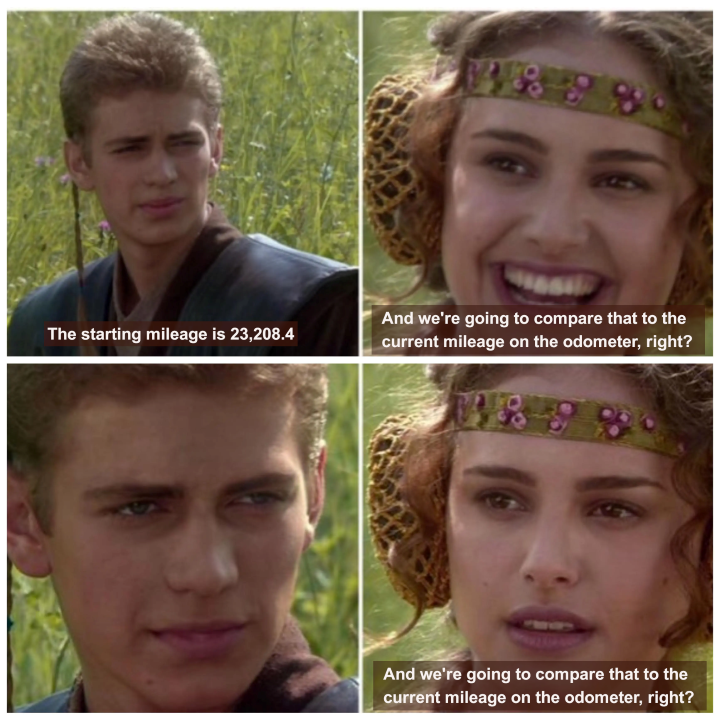
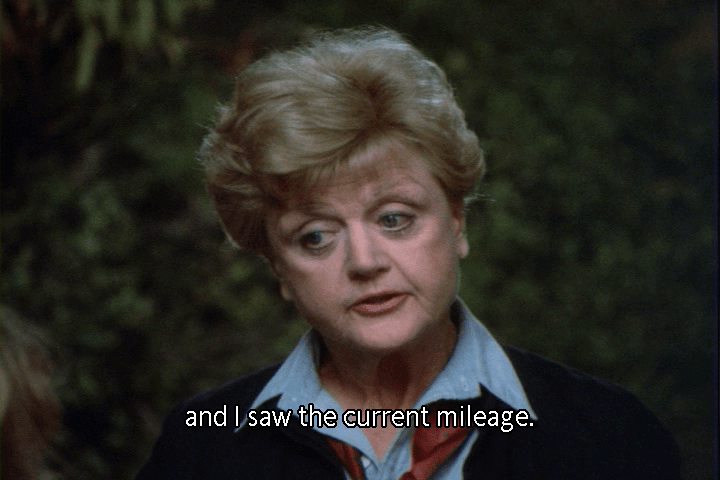
If you’re disappointed that we didn’t get to see that odometer, chin up! The writers have one more clue for us. It’s intentionally ambiguous, but it’s full of thematic appeal.

The Arcade Game

While playing Spy Hunter, Jessica realizes…. well, something about driving too fast? Or maybe driving too slow? The audience doesn’t get to find out exactly what Jessica’s epiphany was until after she confronts the killer.

Ok, they also use this scene to explicitly state that the station wagon was operated from the red and gray van, but, like, duh.

J’accuse!

The Reenactment

Following her aha moment, Jessica and Sheriff Tupper arrange for a reenactment of Charles Woodley’s encounter with the station wagon on the softball field. In classic MSW style, Jessica is able to trick the killers into revealing themselves, and triumphantly confronts them with proof of their guilt.

Fair Play?

We’re back on the softball field, but are the writers playing ball?
At this point in the episode, we already know that Jessica believes Daniel is innocent, but we don’t have all the facts. Specifically:

  • What was the convertible’s odometer reading? The $7.08 worth of gas is inconclusive on its own.
  • What was Jessica’s big revelation during the arcade game? She’s enlightened, but the audience is still in the dark.

Can we conclusively identify the guilty without this information?

  • Katie was forthcoming with potentially incriminating information about WAMCO. Further, she has no motive to either kill off the WAMCO boys or frame Daniel, so she can reasonably be cleared of suspicion.
  • If we’ve been paying close attention, there are enough clues to implicate Charles Woodley, but he must have had an accomplice who controlled the station wagon.
  • Woodley’s accomplice could be Tony or Leslie. Until the reenactment, we don’t have enough information to determine which one it is. It might even be both of them.

Guilty!

So, no, this is not a fair play episode. Fair play is a style choice, and does not necessarily determine the quality of the storytelling. A high quality mystery can be engaging, precise, novel, comedic, you name it, without using fair play.

Unfortunately, in my opinion, that’s not the case here. At MSWSW, we’re sticklers for plausibility and precision. The characters’ choices must make sense. The clues must be relevant. The explanation of the puzzle must be complete.

This episode’s shortcomings are all in evidence at the reenactment:

First, how did law enforcement find the red and gray van? And in finding it, certainly its location, registration, plates, VIN, etc. would be important, and possibly conclusive, evidence as to who killed Dean Merrill. So important and conclusive, the whole reenactment might not even have been necessary. While we’re on the subject, those same identifying features (registration, plates, VIN) for the station wagon would also probably be edifying. And if not, we the audience should be told why not.

Jessica confronts Leslie with Tony’s gasoline tab. Not only is this a meaningless figure, as we’ve already established, but how TF would Leslie know what Jessica’s even talking about? She wasn’t at the gas station.

Yeah, maybe you did, Jessica, but we didn’t. Why force fuzzy math about gasoline on us, when you could just show us the odometer and do some nice, simple math about those 100-mile trips back and forth to Portland?

I’m with you, Amos.

Episode Rating

For me, the most appealing aspect of this episode is its location. Like most MSW enthusiasts, I have a soft spot for Cabot Cove and her denizens. Otherwise, I found this episode to be pretty mediocre.

Even though this episode was only ok, I hope you won’t let that stop you from going on a joyride with me in Part 4: Bonus Features!

Part 4: Bonus Features