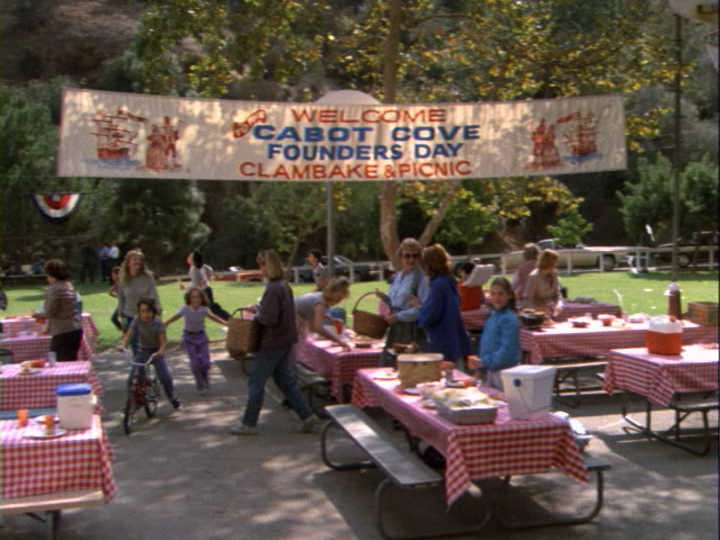
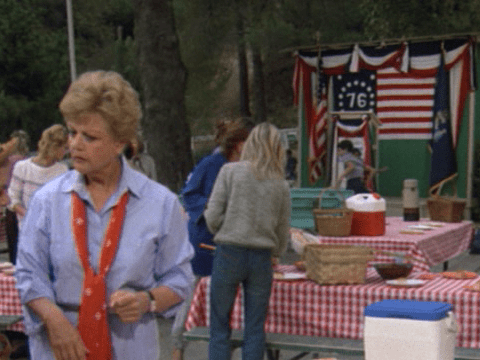
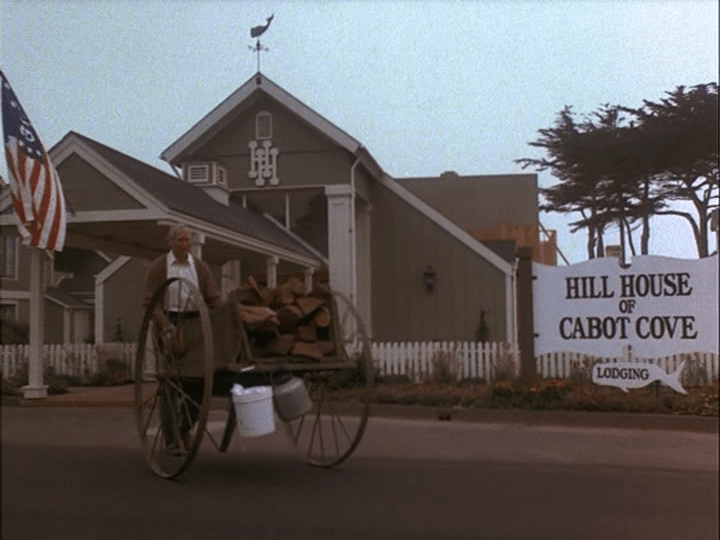
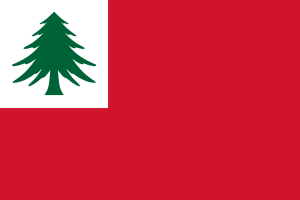
Forty years ago, Cabot Cove was created to be an ordinary American small town. Its location on the coast of Maine endowed the Cove with enough plausible local color to distinguish it from other beloved places in T.V. Land. Throughout the MSW series, the denizens of Cabot Cove grappled with the limitations of the historical and cultural narratives that were integral to the community’s shared identity. In this way, Cabot Cove reflects the challenges that real communities, large and small, can face when cherished stories and beliefs do not stand up to historical scrutiny.
In other words, as we like to say here at MSWSW, fictional facts matter. While this post may strike you as a little uneven in tone, sometimes it’s important to be earnest. The stories we tell, whether intended to be historically accurate or pure fiction, are fundamental to how we perceive ourselves.
Land Acknowledgement
Purpose
A land acknowledgment is one way to recognize and honor the indigenous people who were the original inhabitants of a place to which you now belong. It is a way to call attention to the complex, uncomfortable heritage of colonialism and displacement that we all share. It is a beginning point, and a declaration of intention to continue to act in support of current day indigenous communities. If you are interested in learning more about land acknowledgements, the Smithsonian’s National Museum of the American Indian and the Native Governance Center both provide guidance.
Suitability
Here at MSWSW, we debated whether it was needful or appropriate to compose a land acknowledgment for Cabot Cove, especially because the geographic location of the town can be pinned down fairly specifically. Ultimately, we decided that, even with the best intentions, to make such a statement for a fictional place would be misguided. Instead, we would like to refer interested readers to the land acknowledgment made by the Boothbay Railway Village Museum, which is located in the same area of Maine.
Commitment
Acting in support of indigenous communities should not be limited to a single statement, to a single day (or month) on the calendar, or to a single blog post. The presence and influence of indigenous communities and cultures are interwoven and inseparable from the American identity, and, likewise, the very American television series Murder, She Wrote. Therefore, here at MSWSW, it is our intention to continue to highlight, celebrate, and reflect on the importance of indigenous people, communities, and cultures as we progress through our MSW journey.
Personal Note
Here at MSWSW, we (I) like to keep the focus on Murder, She Wrote. I’ve intentionally chosen to avoid personal details for many reasons. However, because this post clearly demonstrates my personal desire to recognize and honor indigenous communities and cultures, I want to note my personal connection to the Little Shell Chippewa, the tribe of my mother and my grandmother.





 Murder, She Wrote, She Wrote