
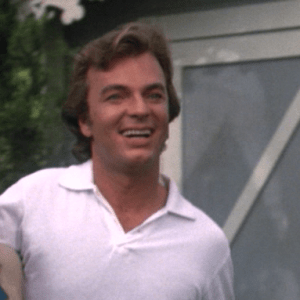
Did Tony frame his uncle in order to gain control of his estate?

Did Tony frame his uncle in order to gain control of his estate?

Letitia, Cabot Cove’s telephone operator, is Jessica’s phone-a-friend bestie. She never appears on camera, but is nevertheless instrumental in several cases.

Daniel is a gentle, absent minded inventor who might also be a killer in S1 E7: “Hit, Run and Homicide”.
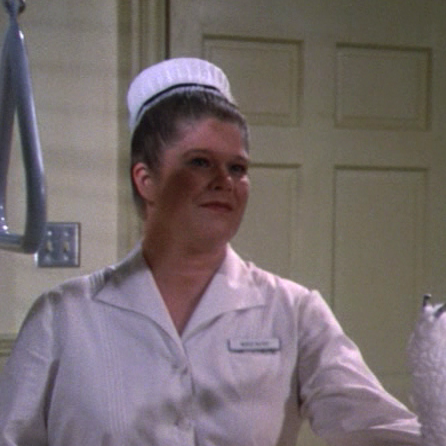
Nurse Bates of Cabot Cove Hospital is seemingly a paragon of her profession.
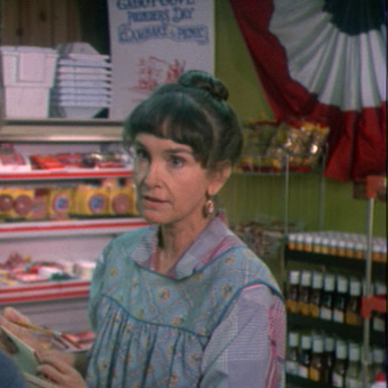
Life-long resident and proprietress of Cabot Cove’s grocery store, McIntyre’s, Cora is skeptical of people from away.

Katie becomes Cabot Cove’s newest denizen at the end of S1 E7: “Hit, Run and Homicide”.
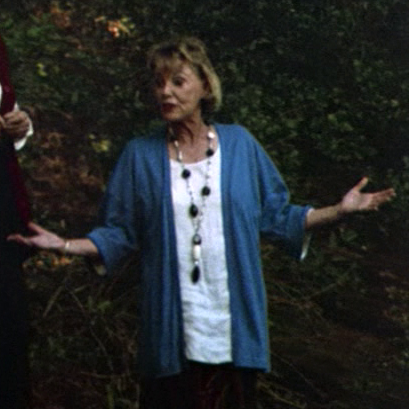
As seen on T.V., June Allyson’s collection of statement necklaces:
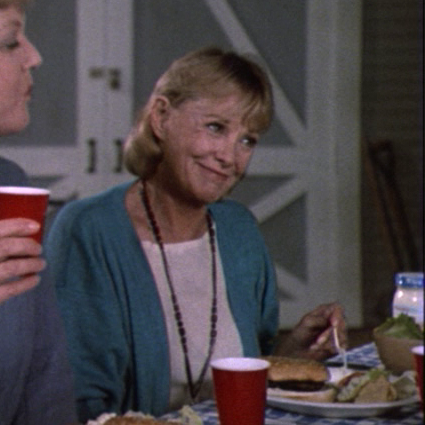

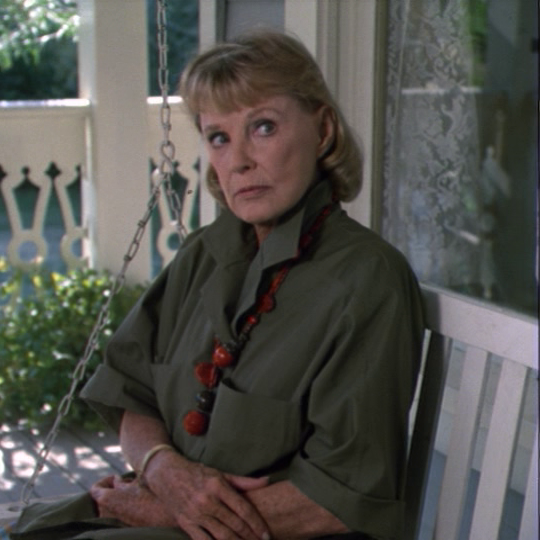
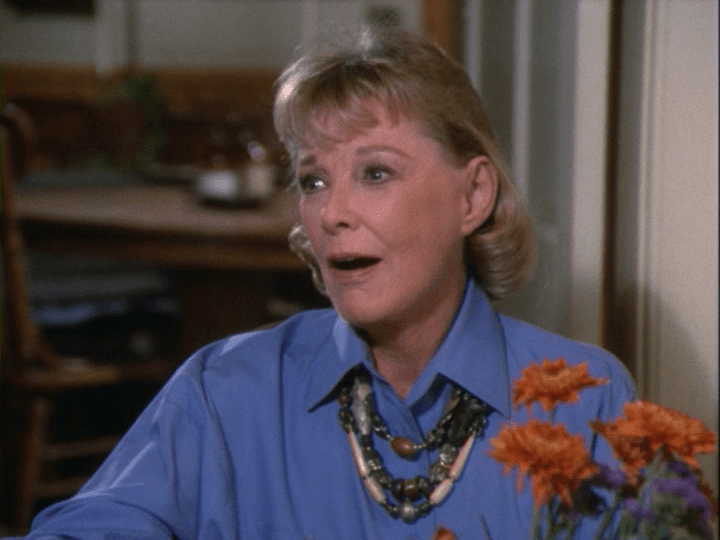
Cabot Cove is a pretty small town, and over the course of Murder, She Wrote we’ll see a lot of it.
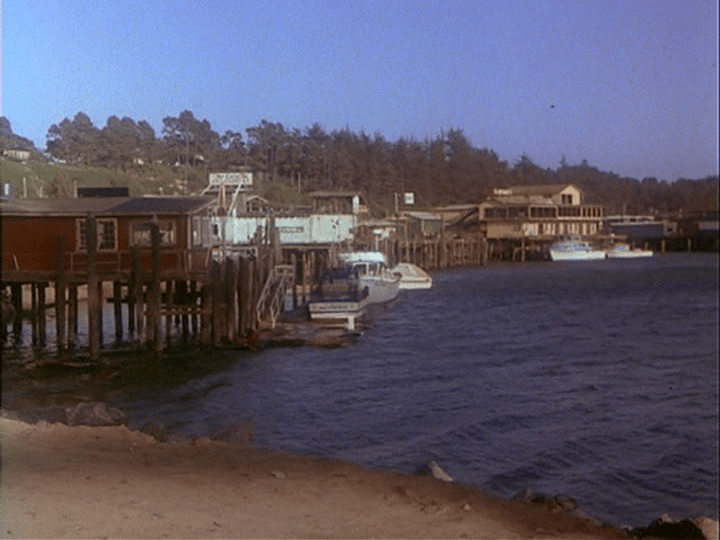
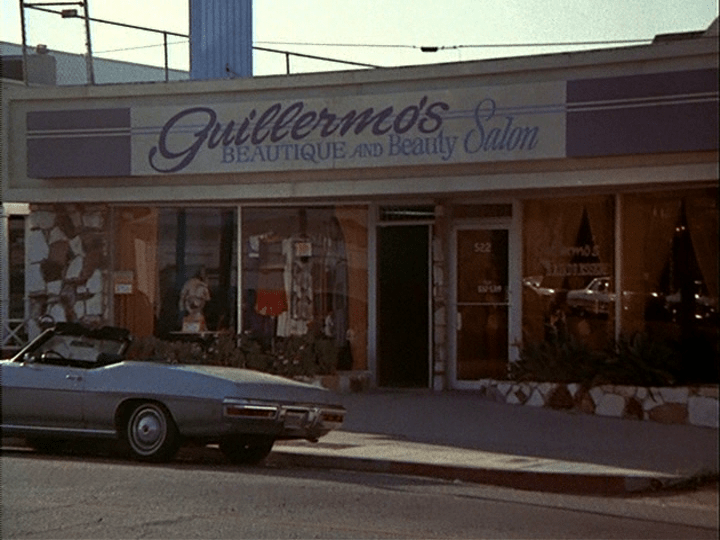
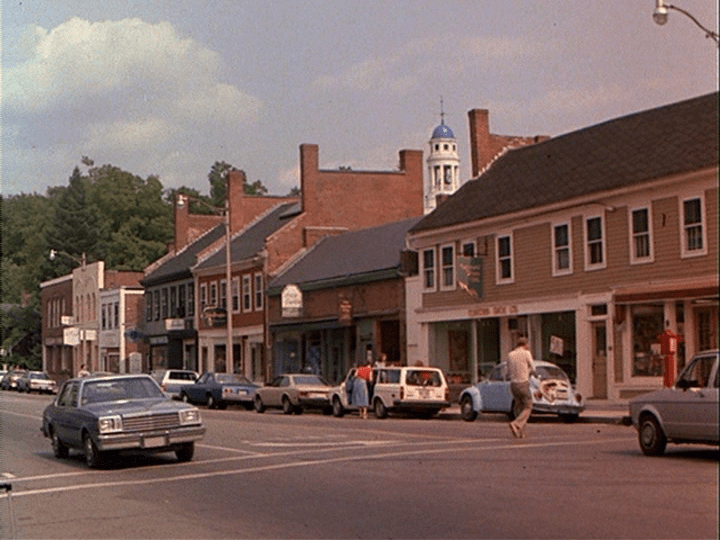


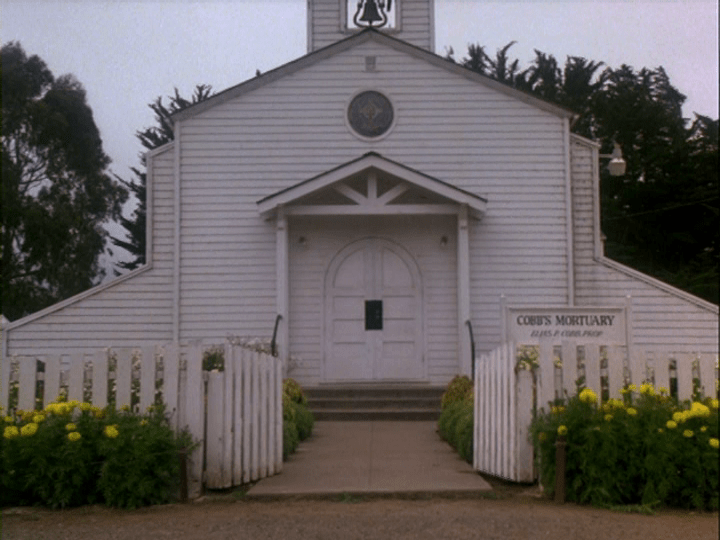
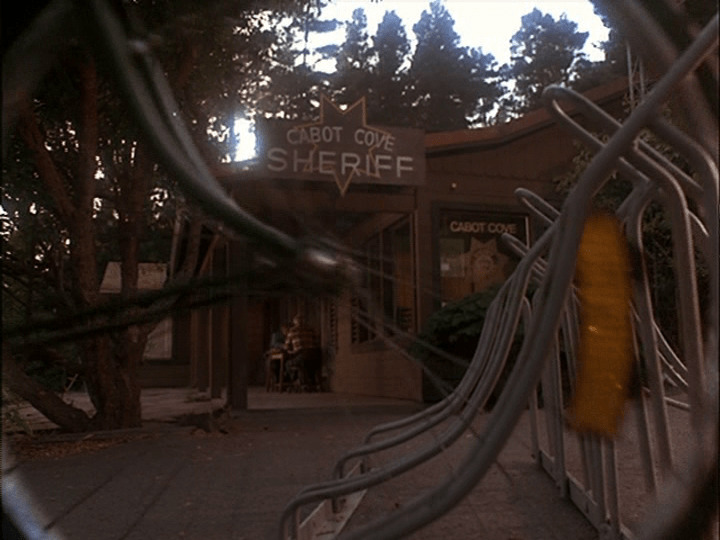
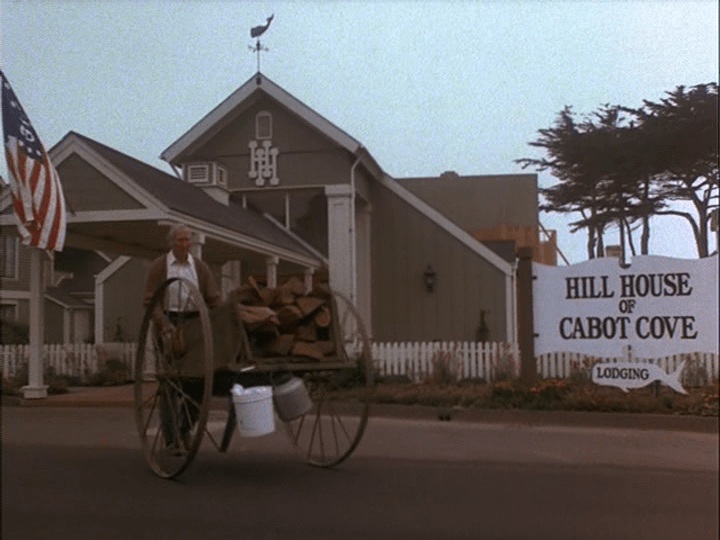

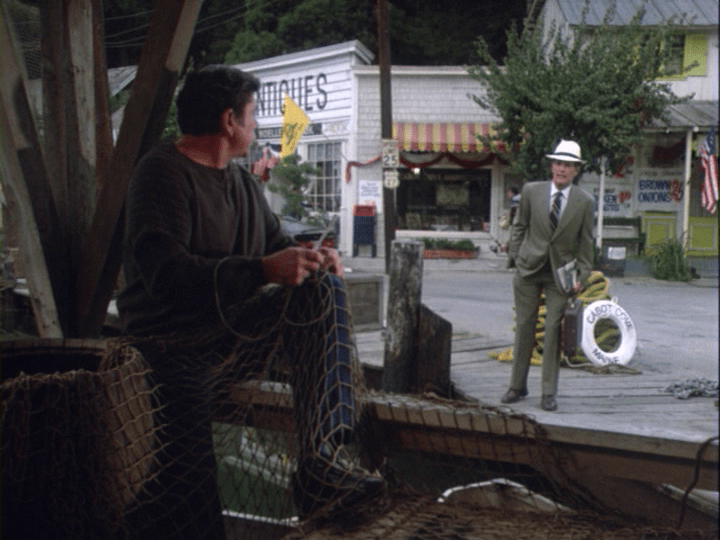
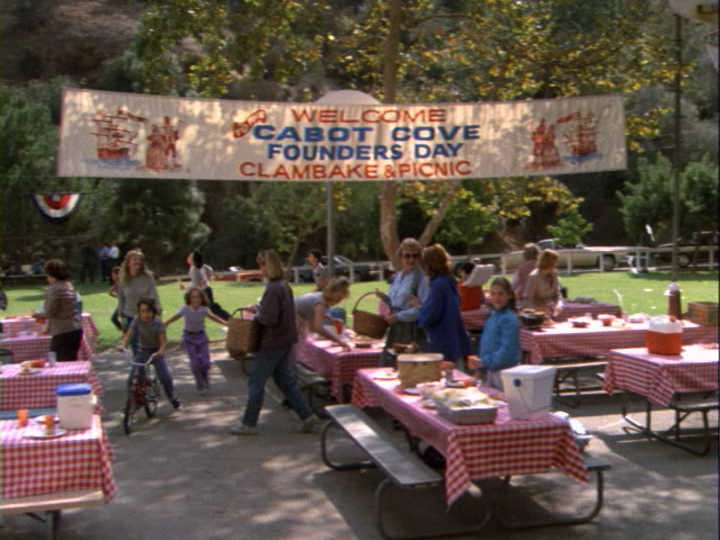
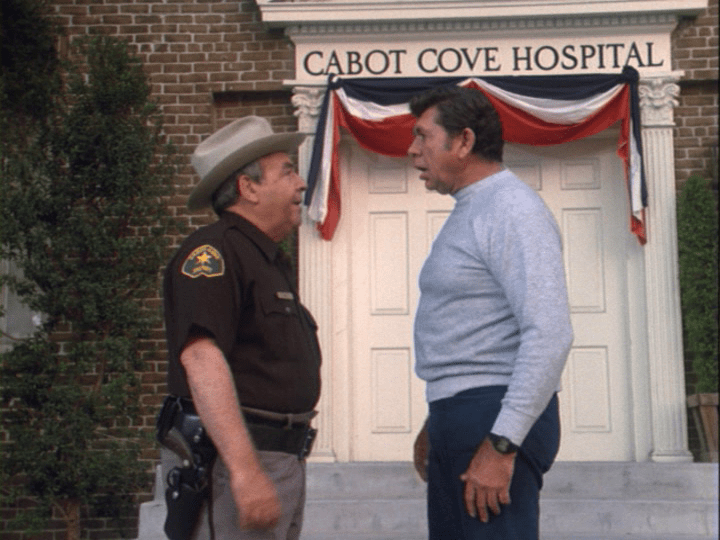
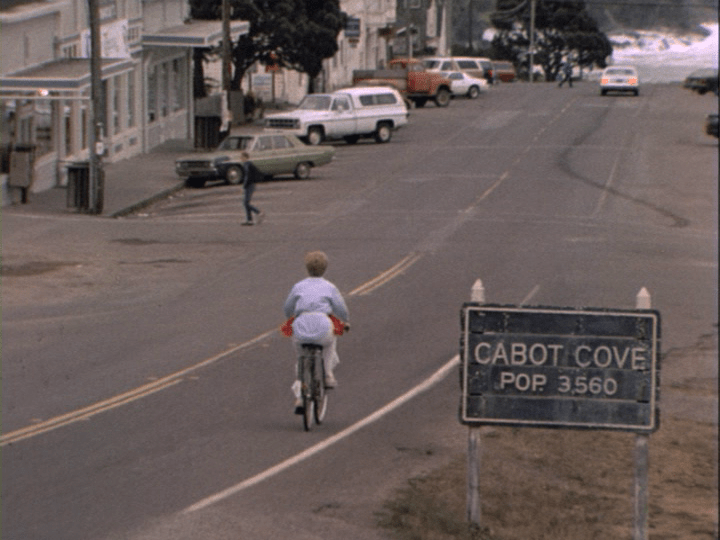
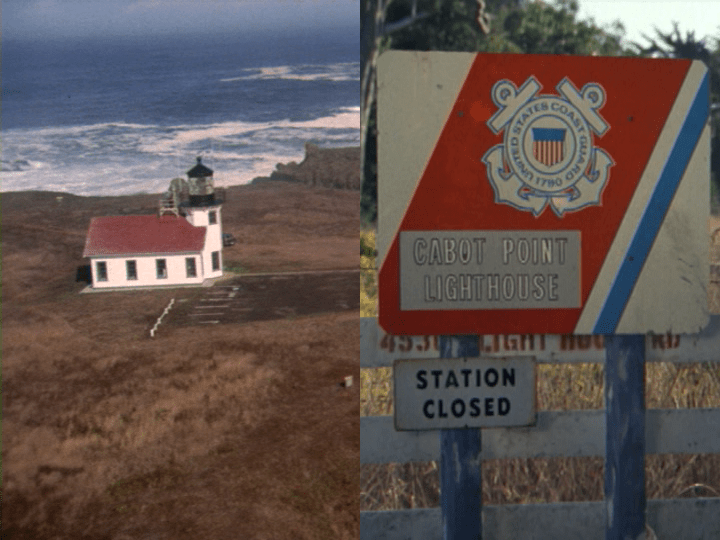
These are Cabot Cove locations we’ll see in more than one episode.
Cabot Cove’s harbor is the town’s hub and it’s heart.
We’ll visit the Sheriff in nearly every episode set in Cabot Cove, and usually find at least one innocent person temporarily behind bars.
Hill House is the upscale hotel in town. In S1 E2: “Deadly Lady” the multi-millionaire Earl sisters stay here, including the deadly lady herself.
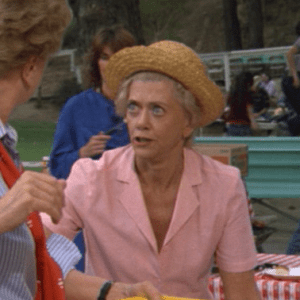
Lois Hoey (Paddi Edwards) is a Cabot Cove friend of Jessica. Full of community spirit, she is a member of the Cabot Cove PTA refreshment committee and a volunteer for Cabot Cove’s Founders Day.
“Captain Joshua Wayne, a free-spirited adventurer who seized opportunities wherever he could find them… “
Jessica Fletcher
“He was a pirate… We’ve always been very proud of old Captain Wayne and his Yankee gumption.”
Lois Hoey
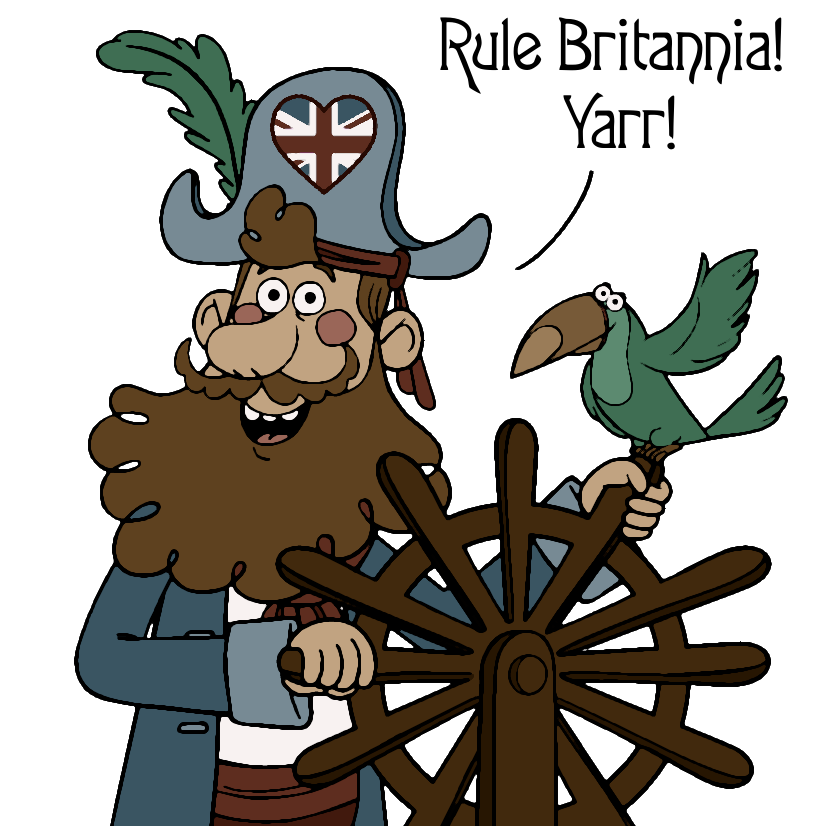
Cabot Cove loved Captain Wayne as a colorful Yankee outlaw. Golden Age pirate lore is very popular in the United States, and an 18th century privateer like Captain Wayne would have been close enough to the real thing to inspire the collective imagination of a community.
Cabot Cove’s annual Founders Day celebration (S1 E7: “Hit, Run and Homicide”) is a moment of reckoning for the community. Does Jessica tell the rest of Cabot Cove that Wayne fought as a loyalist during the American Revolutionary War? It appears this fact may have shipwrecked his legacy as a founding father. Cabot Cove moves on to other historical heroes later in the series.
Forty years ago, Cabot Cove was created to be an ordinary American small town. Its location on the coast of Maine endowed the Cove with enough plausible local color to distinguish it from other beloved places in T.V. Land. Throughout the MSW series, the denizens of Cabot Cove grappled with the limitations of the historical and cultural narratives that were integral to the community’s shared identity. In this way, Cabot Cove reflects the challenges that real communities, large and small, can face when cherished stories and beliefs do not stand up to historical scrutiny.
In other words, as we like to say here at MSWSW, fictional facts matter. While this post may strike you as a little uneven in tone, sometimes it’s important to be earnest. The stories we tell, whether intended to be historically accurate or pure fiction, are fundamental to how we perceive ourselves.
A land acknowledgment is one way to recognize and honor the indigenous people who were the original inhabitants of a place to which you now belong. It is a way to call attention to the complex, uncomfortable heritage of colonialism and displacement that we all share. It is a beginning point, and a declaration of intention to continue to act in support of current day indigenous communities. If you are interested in learning more about land acknowledgements, the Smithsonian’s National Museum of the American Indian and the Native Governance Center both provide guidance.
Here at MSWSW, we debated whether it was needful or appropriate to compose a land acknowledgment for Cabot Cove, especially because the geographic location of the town can be pinned down fairly specifically. Ultimately, we decided that, even with the best intentions, to make such a statement for a fictional place would be misguided. Instead, we would like to refer interested readers to the land acknowledgment made by the Boothbay Railway Village Museum, which is located in the same area of Maine.
Acting in support of indigenous communities should not be limited to a single statement, to a single day (or month) on the calendar, or to a single blog post. The presence and influence of indigenous communities and cultures are interwoven and inseparable from the American identity, and, likewise, the very American television series Murder, She Wrote. Therefore, here at MSWSW, it is our intention to continue to highlight, celebrate, and reflect on the importance of indigenous people, communities, and cultures as we progress through our MSW journey.
Here at MSWSW, we (I) like to keep the focus on Murder, She Wrote. I’ve intentionally chosen to avoid personal details for many reasons. However, because this post clearly demonstrates my personal desire to recognize and honor indigenous communities and cultures, I want to note my personal connection to the Little Shell Chippewa, the tribe of my mother and my grandmother.
 Murder, She Wrote, She Wrote